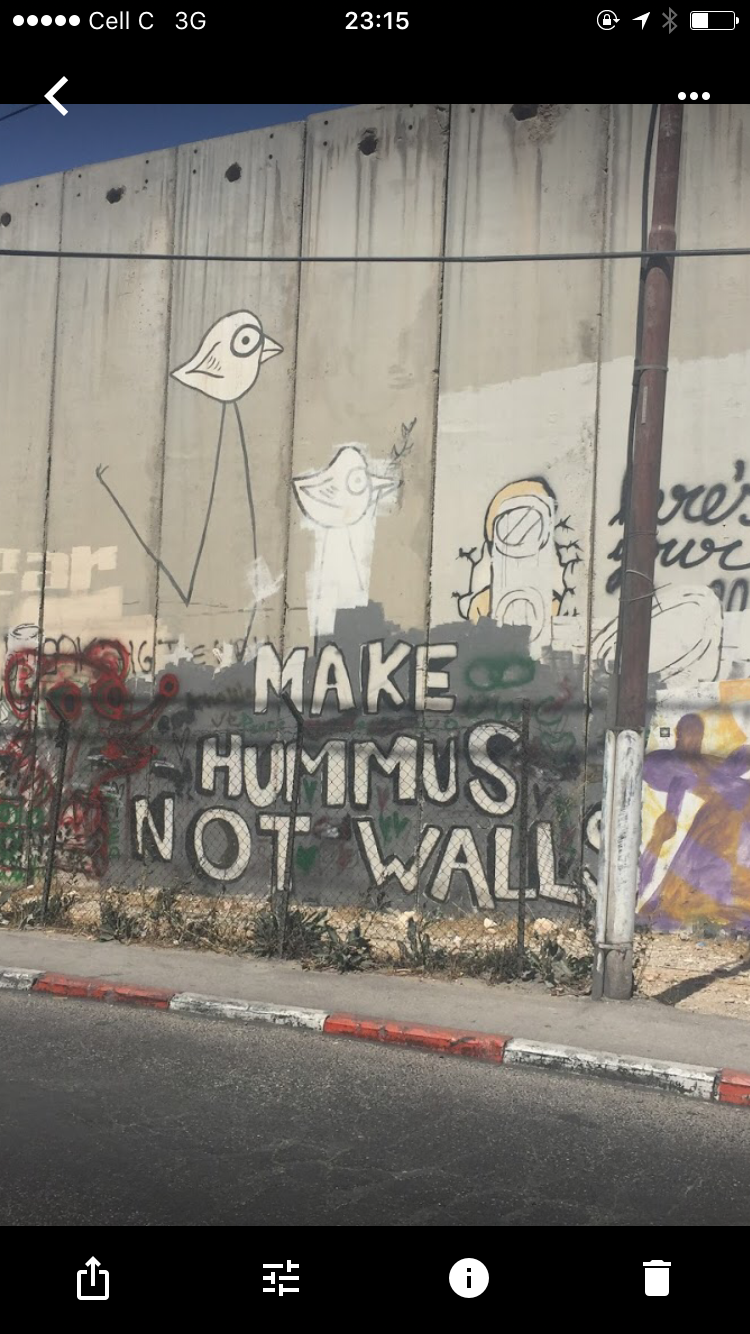
Walls. Cold. Hard structures. Warning: No trespassing. No entrance by law. Looming in finality. Towering above. Some restrictive. Some foreboading. Why do we have them? We construct some to simply keep our families safe, deter nosy neighbors from looking in, and to keep the thieves out. But in my neighborhood alarms and security forces need to be hired above just building walls. We put up the locked gates to keep our little children from wandering away. The reason may be cause our jack Russell got lost too many times, and we were tired of the neighbors calls and worrying about him and it’s all good until he digs again under the fence and gets out. For now at least our kids and dogs are kept from going ” walk about” and can freely play together without abduction. We console ourselves walls are safe. Or are they? We build the high walls and elaborate fencing with barb wire to place boundaries of nations but nations keep changing borders and new nations fall and rise. And terrorists get in and are within. For the most part we try to keep unwanted trespassers and terrorists of other nations out. But are we successful with stopping terrorism the last two decades? We place the highest walls on prisons with the most dangerous convicts but even they escape sometimes. What the point?
“And He made from one [common origin, one source, one blood] all nations of men to settle on the face of the earth, having definitely determined [their] allotted periods of time and the fixed boundaries of their habitation (their settlements, lands, and abodes) So that they should seek God, in the hope that they might feel after Him and find Him, although He is not far from each one of us.”(Acts 17:26-27 AMPC)
Good boundaries should make us seek after God. He made them good. He wanted us to feel loved, free from abuse and violence, protected. But what about the walls that could be detrimental to love, life, hope, relationships?
Other walls are bad and we know it. Walls of our hearts that refuses intimacy to go deeper with those we love. We shut them out. And therefore are lonely. We constructed walls that shun people who are different than us. We stereotype other cultures and put them armslegth or farther away. Yet when we do this, we lose out on discovering the diversity of more who God is when we refuse to associate with other people’s because all nations hold an expression of its Creator. The richer we are the more people of different cultures we know! Maybe these walls shut us in because of fear or we just don’t care. We all have walls, even ones that keep us from giving or receiving love. What are your walls? How will you with God allow them to be deconstructed?
The West Bank Wall
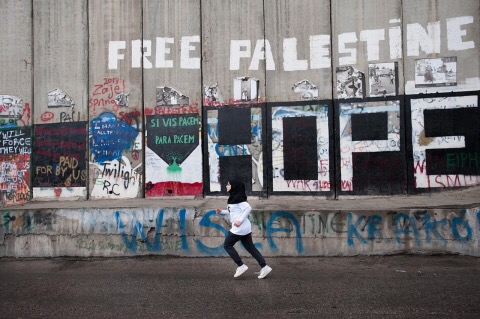
This wall stood right down where I used to live, but when I stayed in Bethlehem it was not there. The war ( 2nd Intifada ) was in full force but no wall stood in this city. It came later. Marathon runner whizzes past in Bethlehem in recent times as this race is now run there every year.
“The West Bank “separation barrier” or “security fence” or “apartheid wall” or “anti-terrorist fence,” depending on whom you ask, is the largest infrastructure project in Israel’s history. Twelve years old this April, it costs Israel an annual average of $260 million for maintenance.” (It was a very expensive wall indeed.)
Construction of the barrier commenced on April 14, 2002, at the height of the second intifada, when then–Prime Minister Ariel Sharon ordered it as a measure to protect Israelis from Palestinian suicide bombers. From the moment construction began, Palestinians protested its route, 85 percent of which runs east of the Green Line, which marked the 1967 boundary between Israel and the West Bank and East Jerusalem.”
Are walls good? Maybe they are for some reasons. Healthy boundaries are needed in life. We need to protect life; they can keep us from abuse and danger in this fallen world. Yet the walls I am talking about are often a consequence of negative reaction to not get hurt again to protect ourselves and families. Most safe neighborhoods around the world may not have any!
“It matters little what they are called – walls, barriers or fences – the intention is the same: to redefine human relations into “us” and “them”.
The Walls of Shame series is about division, and about the barriers that men erect, in calculation or desperation, to separate themselves from others, or others from them. When diplomacy and conciliation fail, this is the alternative, and not since medieval times have walls been so in demand around the world.” (23 Jul 2016 15:21 GMT | Middle East, Palestine, Occupied West Bank, Aljazeera.com).
What walls of shame do you have? An estranged family member? A hidden fear that keeps you from living? A complete prejudice that keeps you trapped inside your community? A justified offense that made you enraged to hate a group of people? Afraid to hurt again or crime to happen again or violence or abuse?
What does Jesus says about division and separation? Did Jesus love walls? Or did He come to break them down and keep us safe at the same time? He is our refuge and strength an ever present help in trouble; therefore we are not to fear even if the earth gives way and falls into the heart of the sea! But we do still fear. He helps us.
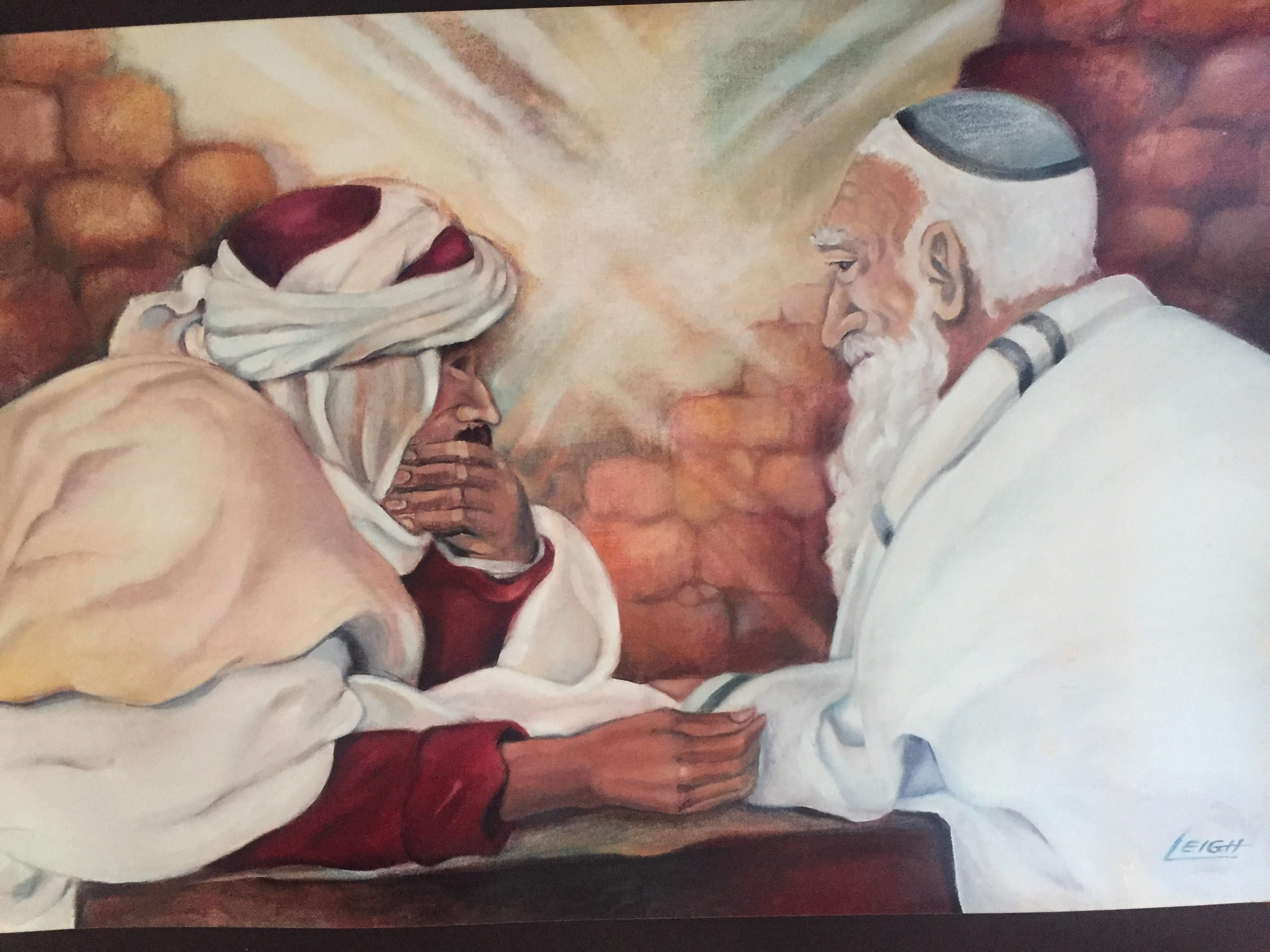 This picture was drawn by my friend who works with Jewish people and is married to a lovely Arab man. It sits in my study.
“For He is [Himself] our peace (our bond of unity and harmony). He has made us both [Jew and Gentile] one [body], and has broken down (destroyed, abolished) the hostile dividing wall between us, By abolishing in His [own crucified] flesh the enmity [caused by] the Law with its decrees and ordinances [which He annulled]; that He from the two might create in Himself one new man [one new quality of humanity out of the two], so making peace. And [He designed] to reconcile to God both [Jew and Gentile, united] in a single body by means of His cross, thereby killing the mutual enmity and bringing the feud to an end. And He came and preached the glad tidings of peace to you who were afar off and [peace] to those who were near. [Isa. 57:19.]”Ephesians 2:14-17 AMPC
The veil was torn down. God brought peace and ended the battle lines that marks us and keeps us scarred. He gave His life to break the walls of the temple that held us back from relationship with the Father. And that separates us from one another. So His light can come into the darkness. The hostile dividing wall He did not mean to stay. He abolished it. Like Jericho walls it fell. So what are we to do in our world. Hummus ( chic pea yum) is better to be made then walls. Bridges should tower over not walls. Jesus said love your enemies , bless those who curse you, do good to those who hate youand pray for those who persecute you. Not easy but worth the sacrifice. Jesus made the sacrifice of dying for His enemies to make us friends of God!He wants to free us from bitter entrapment and fear of our enemies and win them over and maybe just maybe to reconcile to friends!
I love the way City Life Church in Melbourne Australia explains Jesus’ heart in these words about the previous verses,
“In New Testament times the Jewish priesthood tried to separate themselves from the nations and create an exclusive faith community. However, in doing this they violated their call to be a blessing to the nations (Gen 12:3) and a house of prayer for all nations (Is 56:1-7). Instead they built physical, cultural and mental walls that prevented other nations finding God. A physical symbol of this xenophobic attitude at the time of Christ was a low 1.5 metre high partition that separated King Herod’s temple in Jerusalem from the large outer court that surrounded the temple. Only Jewish people could enter the temple. The outer court was the court of the Gentiles. Inscribed in pillars on the partition wall was an edict that banned foreigners from entering the temple courts under the threat of death. It is this wall that Paul is talking about in Ephesians when he writes the above verses.
Drawing on the symbolic picture of Herod’s temple, Paul is making the bold statement that in and through Christ it is possible to break down the walls that separate family from family and nation from nation and find true peace. Jew and Gentile are one in Christ.
Christ is both peacemaker and wall breaker, and as his people we should be too. We are Christ’s body called to preach the good news of God’s peace across every cultural and social barrier, to every nation and every strata of society. Our feet are prepared with the gospel of peace (Eph 6:15). We are to go and seek out people of peace (Lk 10:6) and the peace of the city (Jer 11:19). Preaching the gospel is likened to a message bearer running down the mountain to a city to bring news of peace (Rm 10:15). The biblical concept of peace (Shalom) is not just a state of mind, nor is it simply the absence of conflict or the opposite of war. Biblical peace is the wholeness, completeness and well-being that comes about through restored relationship. It requires the active process of breaking down the walls that separate people from God, community from community and nation from nation.”
The Destruction of The Berlin Wall.
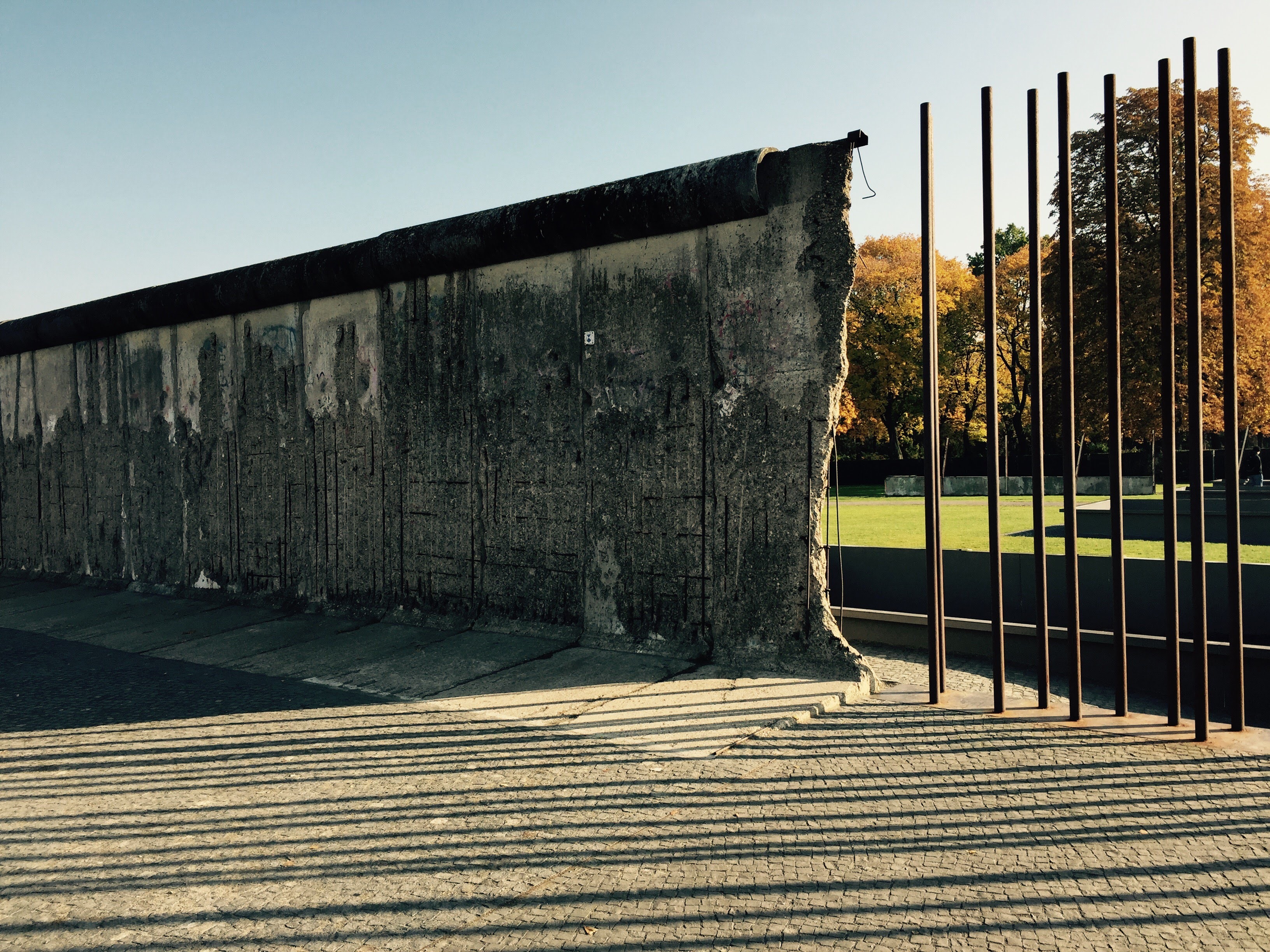 After 2.7 million citizens had fled East Germany between 1949 and 1961, it took the Berlin Wall, the Iron Curtain, armed border guards and a tightly controlled administration to ensure the remaining 17 million stayed within the country’s boundaries. It is incredible to think that, after 12 years of rule under Hitler, another dictatorial regime and administration was to unfurl over the then Soviet Occupation Zone and last for a further 40 years. The East German dictatorship permeated all aspects of the lives of its people and it was up to the Stasi to ensure Communist ideology was adhered to, not least by appointing a huge number of informants, some 190,000 in fact, who spied on their fellow citizens so possible escapes or attempts at uprising could be thwarted. Its job was also to recruit and train the next generation of Stasi staff. ( The Telegraph UK, By Robert Hopkins, 11:25AM BST 15 May 2015)
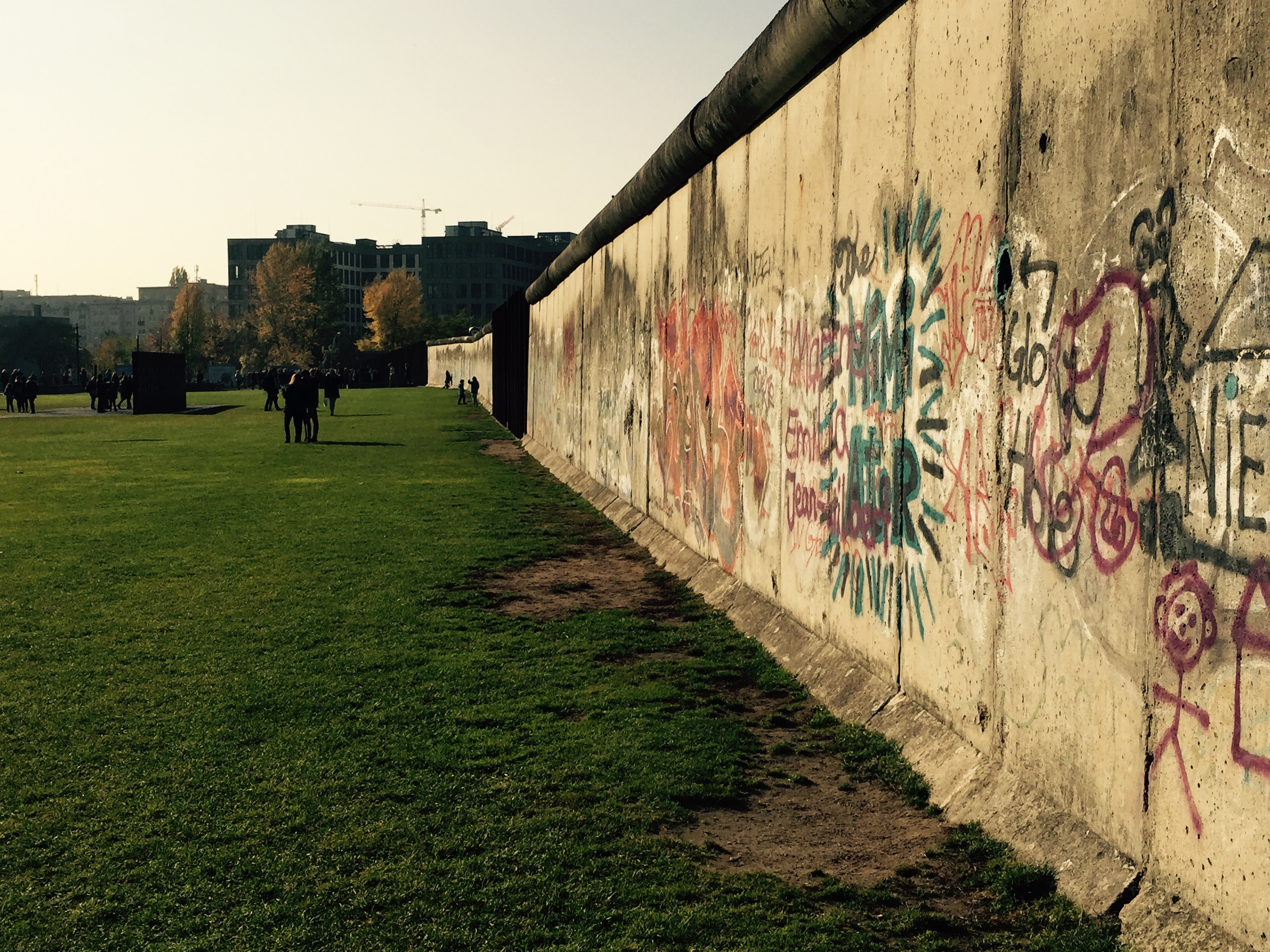 This wall crumbled in 1989. I visited the remnants in October 2014. The outdoor memorial brought me tears of sadness of loss and joy of triumph that fateful day it fell. But how did The Berlin Wall come down. It started simply through prayers of peace from the East Germans.
“What many don’t realize is that this protest movement all began with a prayer group.
In the early 1980’s, an East German pastor in Leipzig with the unlikely name of Christian Führer started a Monday night prayer meeting at St. Nicholas Church, where a handful of Christians prayed for peace in their freedom-starved country.
Over the years that followed, St. Nicholas Church attracted protestors of all stripes, Christians and non-Christians alike. By the time 1989 rolled around, the Monday night prayer meeting became a regular demonstration, and the numbers swelled to over 70,000 people.
The church in Leipzig became Ground Zero for protestors in East Germany, and their movement helped to change the course of world history.
And it all began with a small prayer group.”(just18summers.com) Yet so many were praying across the world. Also the fall of iron curtain. Why not Communist North Koreas barrier?
What could this tell us about walls in our lives? In the feuds of nations?
The Border between North and South Korea/ the last Cold War division left
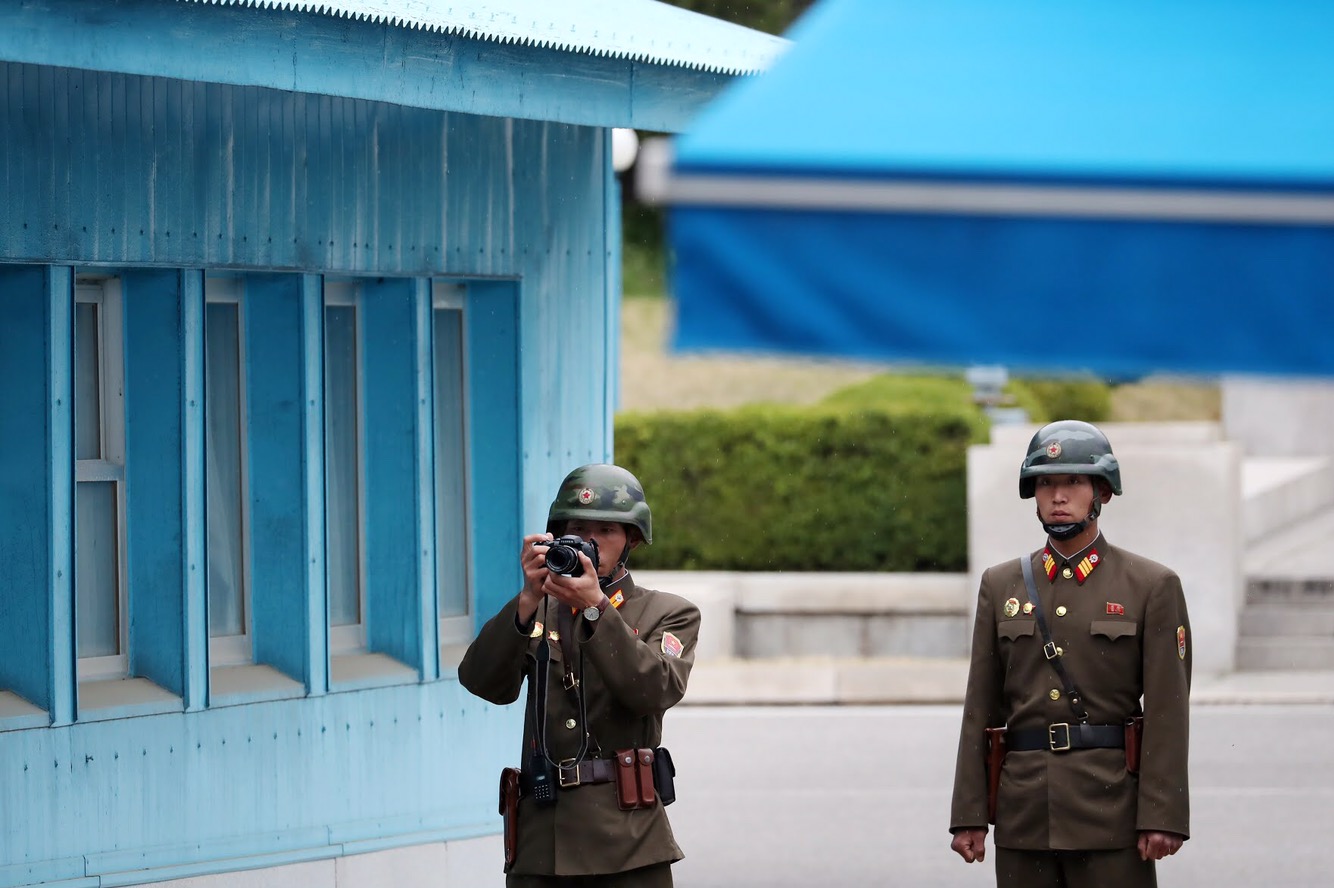
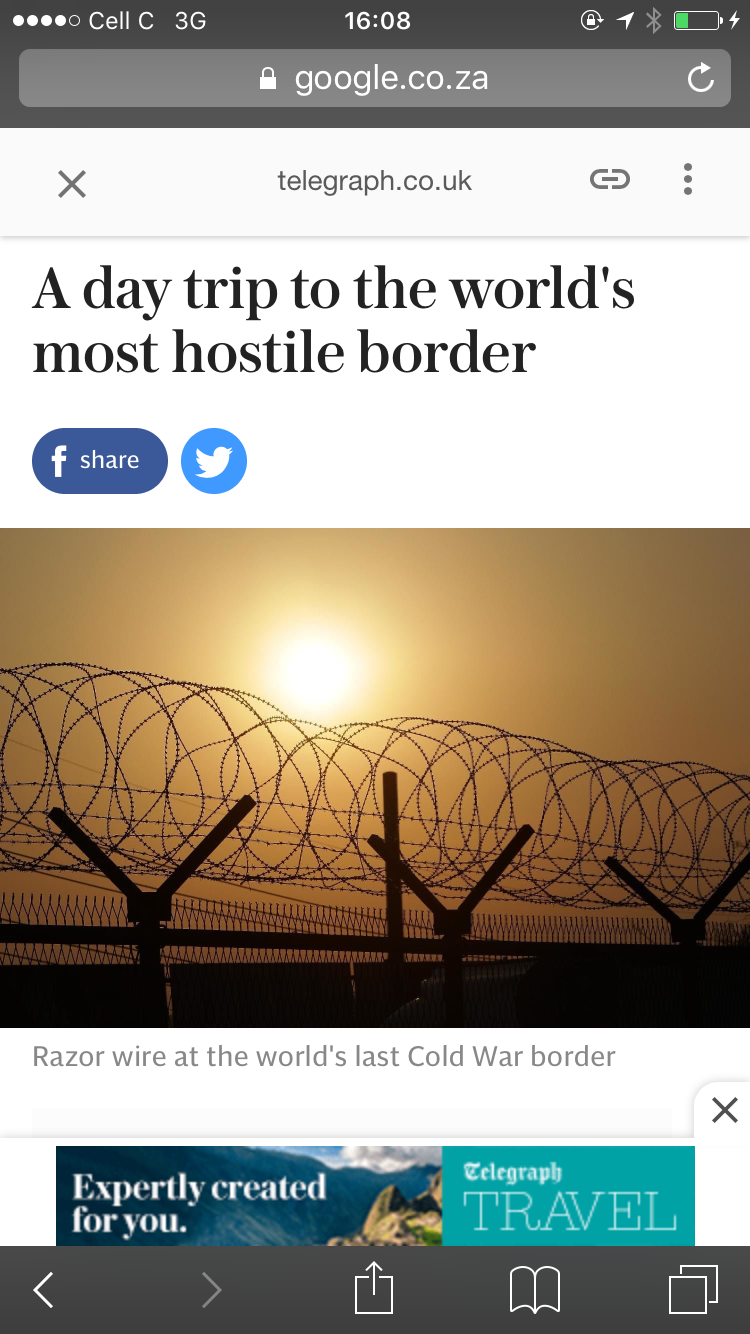
If the other communist nation walls fell why not this one? Could this fence also fall peaceably? South Korean Christians have been praying for this for decades.
In May 2015, a joint statement of believers was made between North and South. It was a cry for healing, reconciliation, and reunfication.
“For 70 years the Korean peninsula has been divided into North and South. The Churches in North and South Korea take a common stand for peace and reconciliation. This year the National Council of Churches in Korea (NCCK) and the Korean Christian Federation (KCF) call for a joint Easter Prayer for the reunification of North and South Korea.
70 years have gone by since the joy of independence changed into pain of separation. This morning, when we remember the joy of resurrection, a voice of forgiveness and reconciliation is raised in our hearts.
70 years have gone by and still a culture of separation is among us. Facing the power of death of the armaments industries, we regret our weak faith which keeps us from following up our words with deeds.
We do not forgive each other and even fear encounters, which is an expression of our disbelief. We confess that we neither love nor trust each other.
Help us, to follow Jesus who has forgiven the crowd that called for his crucifixion and who revealed the path of salvation. After 70 years of separation, we pray that the fire of forgiveness and reconciliation will burn in our nation. Lord, lead our way.
Before we condemn others, help us to see that we ourselves are filled with anger, hate and violence. Grant us inner courage to think about the past. Perceive our secret truths and reunite us with those who suffered an unjustly death.
Grant us, who we are weak, your Holy Spirit. Help us to maintain our efforts for forgiveness, reconciliation and reunification. Amidst the despairs of death you have given us great hope through resurrection. Bring the new life of resurrection into this country of separation.
In the manner of Jacob who crossed the Yabok river and embraced Esau and danced, let us also cross the river of hate and enmity with forgiveness in our hearts to unite North and South and to wash away the tears of separation. Give our sons and daughters a vivid and reunited home country.
We believe that this path will save our nation and give hope to mankind. In the name of Jesus Christ, our Lord, who never ceases to invite us into the world of experiencing resurrection, we pray sincerely, Amen.
National Council of Churches in Korea (NCCK)
Korean Christian Federation (KCF)
(https://ems-online.org/en/news/31-03-2015-70-years-of-separation/)
North Korea when it was united with the South had a great revival. As I was praying for North Korea I saw Gods Holy Spirit moving beyond these borders. It has been and will be. 9 million Christians make up 35 percent of the population. It is not as unreached as people may think because the church is growing strong!
“North Korea’s underground Christian community is thriving despite followers of Christ suffering horrific torture and brutal deaths at the hands of the communist government, according to Fox News.
According to Open Doors, a Christian persecution watchdog site, North Korea has ranked No. 1 as the deadliest place for Christians for the last 16 years. Yet, North Korea still has an estimated Christian population of around 9 million people, or 36 percent of North Korea’s total population.”

God has not forgotten North Korea nor His commitment to Korea, and hear their cries today. Amazing thing is that the North Korean Christians don’t pray for freedom as much as they pray to grow in their faith! That’s true freedom!
THE NORTH KOREAN REVIVAL OF 1907
May 2, 2017
“Today as tensions between North Korea and the U.S. reach heights not seen since the 1950s, it is easy to forget that northern Korea used to be one of the Asian strongholds of Protestant Christianity. As Atlas Obscura recently explained, the city of Pyongyang became known to missionaries as the “Jerusalem of the East.” The city had great institutional strength for Protestantism, including Union Christian Hospital, Union Presbyterian Theological Seminary, and Union Christian College, the first four-year college anywhere in Korea.
One hundred ten years ago, Pyongyang saw the outbreak of a massive revival, the high point of the season of evangelical strength in northern Korea. Presbyterian missionary William Blair preached to thousands of Korean men, focusing on their need to turn away from their traditional hatred of the Japanese people, with whom Korea had a long history of conflict. The missionaries and Korean Christians had been praying for an outpouring of the Holy Spirit for revival and repentance, and it came on that Saturday night in January 1907. Many at the meeting began praying out loud, and soon the signs of awakening began to appear. As one missionary described it, the sound of many praying at once brought not confusion, but a vast harmony of sound and spirit, a mingling together of souls moved by an irresistible impulse of prayer. The prayer sounded to me like the falling of many waters, an ocean of prayer beating against God’s throne. It was not many, but one, born of one Spirit, lifted to one Father above. Just as on the day of Pentecost . . . God is not always in the whirlwind, neither does He always speak in a still small voice. He came to us in Pyongyang that night with the sound of weeping. As the prayer continued, a spirit of heaviness and sorrow for sin came down upon the audience. Over on one side, someone began to weep, and in a moment the whole audience was weeping.
Man after man would rise, confess his sins, break down and weep, and then throw himself to the floor and beat the floor with his fists in perfect agony of conviction. My own cook tried to make a confession, broke down in the midst of it, and cried to me across the room: “Pastor, tell me, is there any hope for me, can I be forgiven?” and then threw himself to the floor and wept and wept, and almost screamed in agony. Sometimes after a confession, the whole audience would break out in audible prayer, and the effect of that audience of hundreds of men praying together in audible prayer was something indescribable. Again, after another confession, they would break out in uncontrollable weeping, and we would all weep, we could not help it. And so the meeting went on until two o’clock a.m., with confession and weeping and praying.
Contrition over sin and praying out loud were among the distinguishing signs of this revival, which resulted in many new conversions and additions to church memberships.
(https://blogs.thegospelcoalition.org/evangelical-history/2017/05/02/the-north-korean-revival-of-1907/
Famagusta Ghost Town, Cyprus- the barbed wire, the Turkish army and the bullets
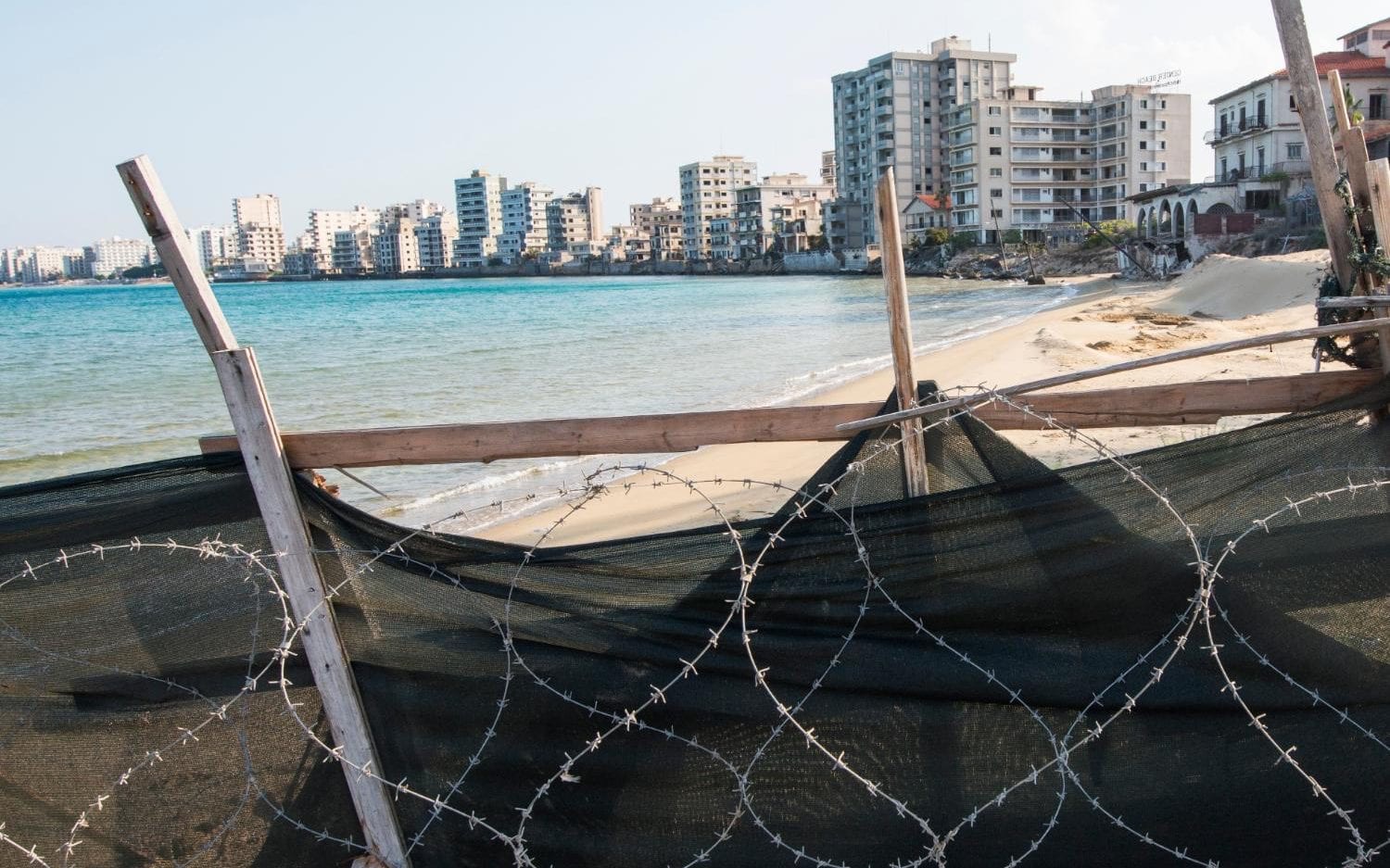
You still can swim on these beautiful beaches and gape at the buildings abandoned here since 1974. But 43 years ago, “after years of inter-ethnic violence culminating in a coup inspired by Greece’s ruling military junta, Turkey invaded Cyprus and occupied the northern third of the island.
It was so surreal to see a place that was abandoned frozen in time around the year of my birth. So sad a sight to waste this beautiful space of Mediterranean bliss.
As its troops approached Varosha, a Greek-Cypriot community, the inhabitants fled, intending to return when the situation calmed down. However, the resort was fenced off by the Turkish military and has been a ghost town ever since. A UN resolution of 1984 calls for the handover of Varosha to UN control and prohibits any attempt to resettle it by anyone other than those who were forced out.” ( bbc.com
Nicosia is the only divided capital left in the world
I came here in 2002 and 2015 and 2016. The borders between North Cyprus and Cyprus is more open then before. I met the church hereand prayed in this beautiful ancient town for healing and reconciliation. Reunification talks did start but are halted at impasse on security.
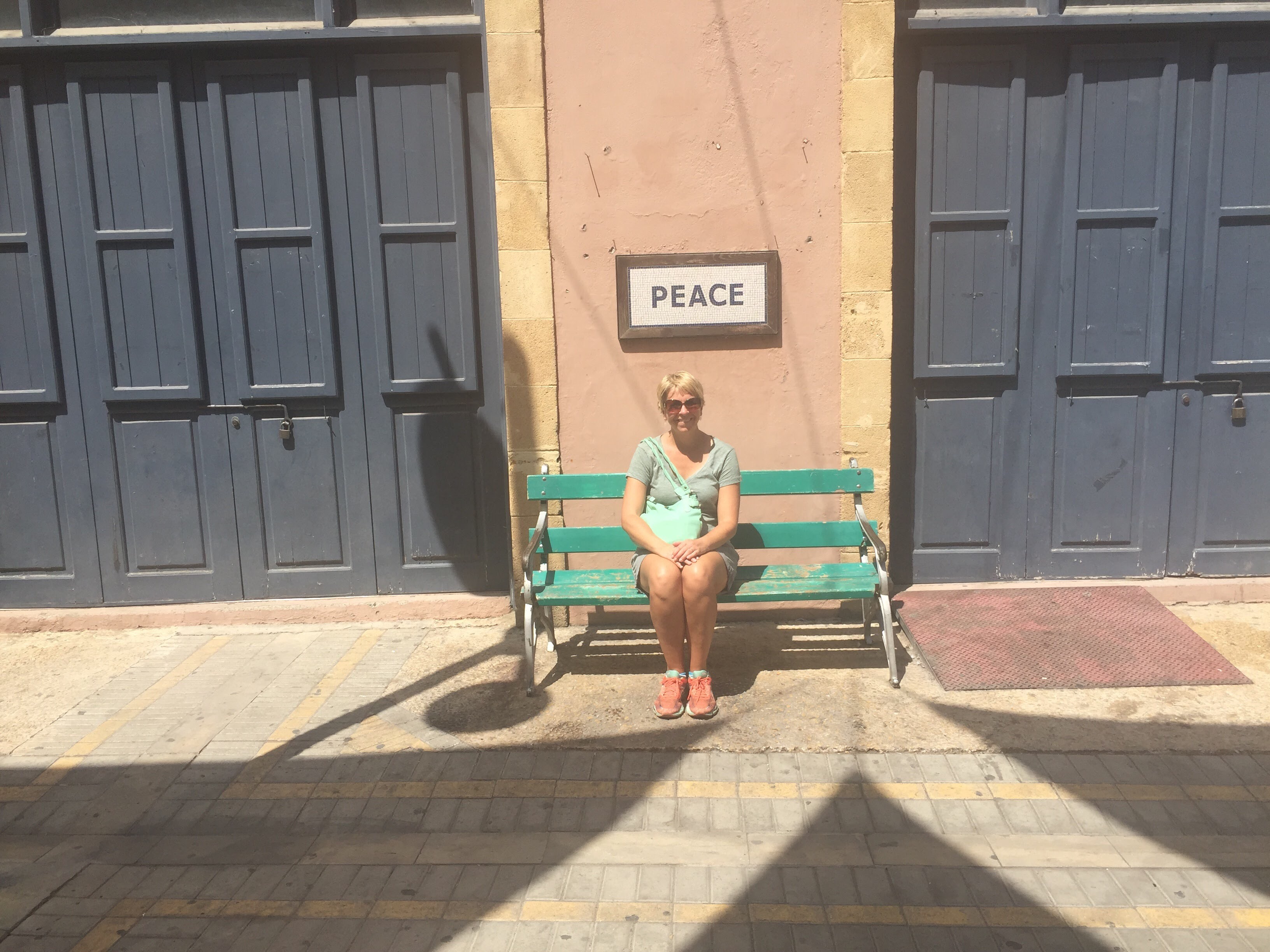
“Since the fall of the Berlin Wall, only one capital city in the world remains divided in two. Forty years after escalating ethnic tensions and inter-communal violence across Cyprus prompted an Athens-orchestrated coup d’état–followed, five days later, by a retaliatory invasion by the Turkish army–the Cypriot capital of Nicosia is still riddled with the physical and mental scars of the West’s longest-running diplomatic dispute.
At its slimmest, the “Green Line”–the UN-controlled buffer zone that snakes through Nicosia, keeping the de facto TRNC, or “Turkish Republic of Northern Cyprus” (unrecognized by any nation, save Turkey), and the Republic of Cyprus at arm’s length–is no wider than the hulking ramparts of the old Venetian walled city, intimate enough for Turkish-Cypriot youths peering through mesh fences and razor wire to pelt occasional marches of the Cypriot far-right with stones. At its widest, on the city’s western fringes, it swallows an abandoned airport.” ( Vice.com, Is the animosity between Turkish Cypriots and Greek Cypriots still too great for any chance of reconciliation? Scott Oliver 1/14/2015).
How are we bridgebuilders and wall abolishers? I don’t like conflict but I love to see people love, forgive, and reconcile. I love to see cultural barriers and racist hurt healed. I long to see nations once at war healed and reconciled so they can see our good Father at work. Maybe God wants to use us as mediators of friends, family, nations? Don’t be afraid to ask Him even if you feel dealing with conflict is not your gift. It is not a gift of many but conflict is part of life, let’s not run away to not help others break down their walls. Maybe we are to be prayer warriors for the healing of nations? We can Stand in the gap to pray for violence to end that keep people from coming to Jesus or seeing a good God. We can believe and walk in our own prejudice and cultural barriers that keep us from giving and receiving blessing from those different then us to collapse? Ask the Father what He is calling you to do. How to pray for restoration and healthy boundaries to be restored? Ask Him for love for those you don’t like or understand or even hate! We can tear down together with His Spirit one stubborn wall at a time! Walls must fall!
 Site Title